Ask any real estate developer what keeps them up at night, and chances are it's a mix of delays, rising costs, and the pressure to deliver quality—fast. Now add growing expectations for sustainability and smart design. It's a lot. That's why more and more developers are quietly turning to off-site construction methods like modular and panelized systems. Not as a trend. But as a solution that just makes sense.
Because here's the thing: off-site construction isn't just about building houses in a factory and delivering them on a truck. It's about rethinking the entire process—cutting waste, shortening timelines, and taking control of variables that, in traditional construction, are often a gamble.
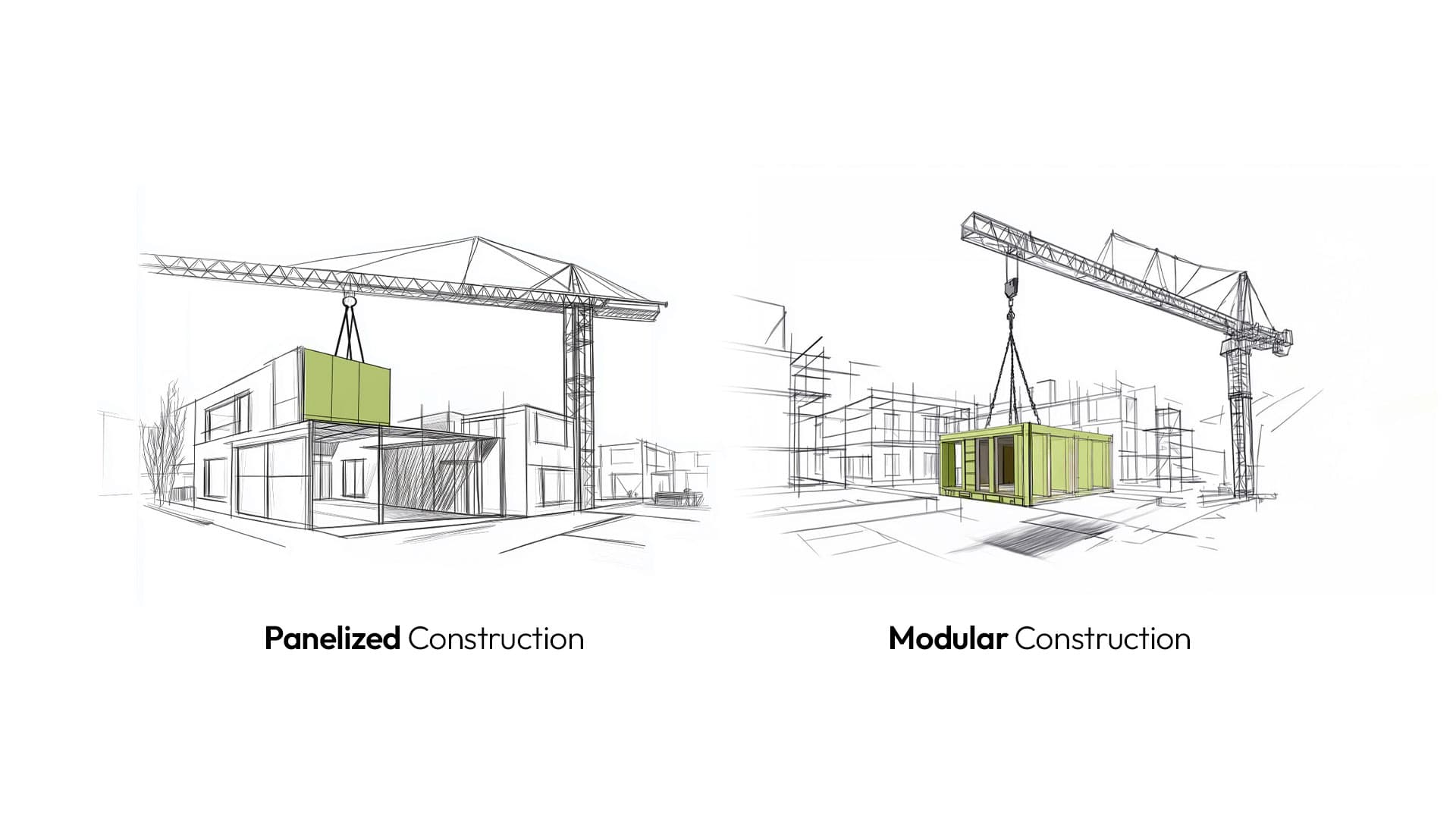
The timing advantage is huge. While foundations are being poured on-site, large portions of the building—whether up to 95% completed using InstaBuilt's modular technology or around 75% with our panelized systems—are being constructed in parallel off-site. So when the ground's ready, the structure is too. No waiting for materials to arrive. No dealing with weather delays. Just precision, predictability, and momentum. And that matters—a lot—especially when you're managing investor expectations or racing to meet demand in hot markets.
Then there's cost control. In traditional projects, overruns almost feel expected. But off-site methods bring a different level of budgeting discipline. With the majority of work happening in a controlled environment, there are fewer unknowns, fewer surprises, and far more accountability. Developers get what they planned for, not what's left after delays and material hikes.
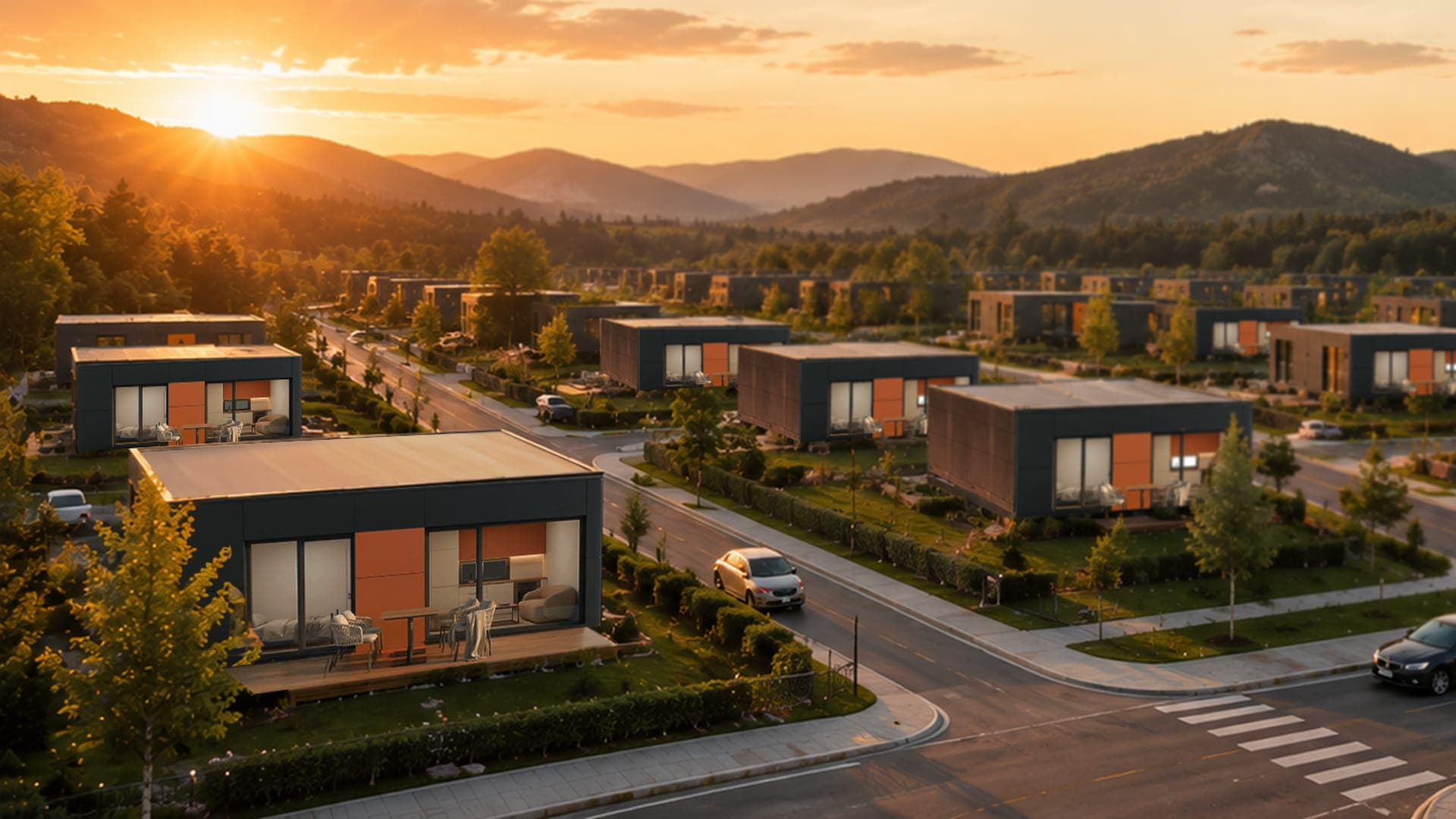
But what really seals the deal? Scale and consistency. If you're building 10 homes, 50 units, or even a full neighborhood, you need each component to meet the same standard. Whether it's factory-built volumetric modules or precisely engineered wall panels, off-site construction gives you that consistency. Every wall, system, and detail is produced to spec, over and over again. That kind of repeatability is gold when you're thinking long term—especially for build-to-rent or large-scale residential projects.
And let's not ignore the elephant in the room—sustainability. Cities and buyers are both demanding it. Off-site building naturally lends itself to greener construction. Less waste. Lower carbon footprint. Better insulation and energy performance. It's not just good for the planet, it's good business.
So no, off-site construction isn't a gimmick. It's a forward-thinking approach—smart, strategic, and built to meet the demands of modern real estate development, both today and well into the future.